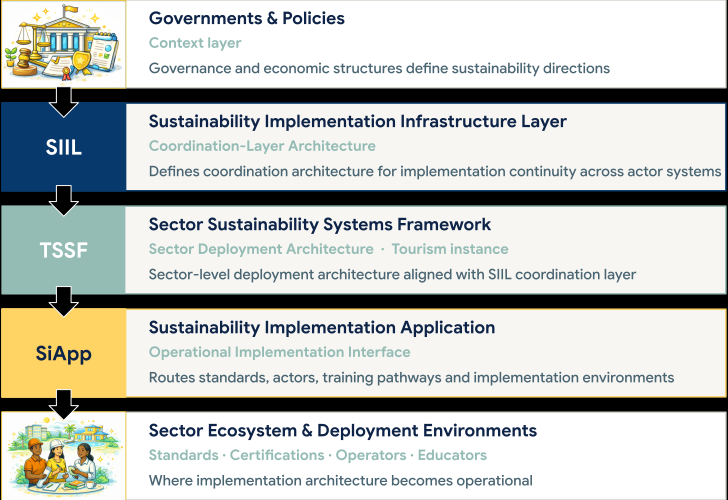
The Sustainability Implementation Infrastructure Layer (SIIL) defines the coordination-layer architecture required to translate sustainability commitments into operational implementation pathways across sectors.
Across sustainability systems, implementation gaps are commonly interpreted as funding limitations, training shortages, or programme-design weaknesses. The SIIL research series demonstrates instead that these signals correspond to a missing coordination-layer function not structurally assigned within existing sustainability actor classes.
This page introduces the SIIL category and explains its position within the broader sustainability implementation architecture stack.
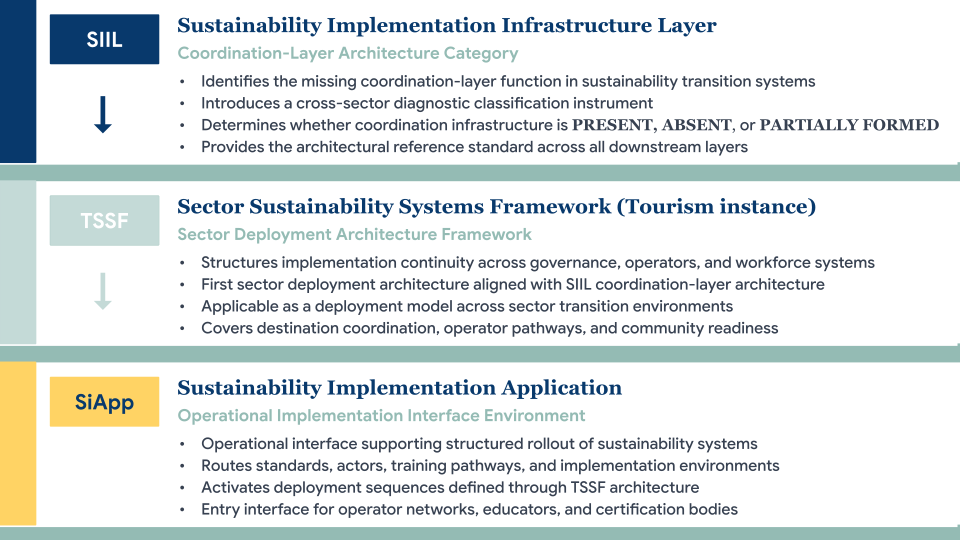
The SIIL–TSSF–SiApp stack defines the coordination-layer architecture structure supporting sustainability implementation across sector transition ecosystems.
Across the TSSF–SIIL research stack, successive structural tests identified the consistent absence of:
→ Implementation continuity routing
→ Workforce transition alignment structures
→ SME implementation pathway sequencing
→ Policy-to-operator translation interfaces
→ Financing-to-implementation coordination
→ Ecosystem-scale responsibility ownership
These signals converge toward a shared coordination-layer architecture requirement not currently assigned within existing sustainability transition system structures.
→ Access the research

The SIIL category emerges from cross-sector analysis of persistent implementation gaps observed across certification systems, transition programmes, workforce preparation environments, and policy deployment architectures. These signals do not reflect isolated programme limitations but correspond to a missing coordination-layer function not structurally assigned within existing sustainability implementation actor classes.
To support identification of this condition, the SIIL research series introduces the first cross-sector diagnostic classification instrument capable of determining whether coordination-layer implementation infrastructure is present, absent, or partially formed within sustainability transition environments.

The instrument supports a structured two-step process:
The SIIL classification matrix allows transition actors to determine whether coordination-layer implementation infrastructure is PRESENT, ABSENT, or PARTIALLY FORMED within a given transition environment.
This includes identifying whether functions such as workforce alignment, certification-readiness sequencing, policy-to-operator translation, financing-to-implementation routing, and ecosystem-scale coordination responsibility are structurally supported.
→ Explore Country/Sector Diagnosis


Once coordination-layer conditions are identified, implementation environments can be structured to support continuity between sustainability commitments, sector deployment frameworks, workforce preparation systems, and operational execution pathways.
Operational routing environments supporting SIIL-aligned deployment pathways may be implemented through dedicated implementation interface systems such as the Sustainability Implementation Application (SiApp).
The SIIL diagnostic classification instrument can support:
• Governments & Transition Authorities structuring implementation continuity between policy commitments and operator-level deployment pathways
• Sector Supply Chains organising coordinated sustainability adoption across distributed operator networks
• Certification & Standards Bodies aligning requirements with implementation readiness sequencing
• Workforce & Training Institutions supporting transition-aligned skills development pathways
• Financing & Development Partners connecting investment mechanisms with implementation delivery conditions
• Implementation Partners coordinating multi-actor sustainability rollout environments

By locating coordination-layer functions within sustainability systems, SIIL supports the transition from fragmented sustainability programme delivery toward structured implementation architecture at ecosystem scale
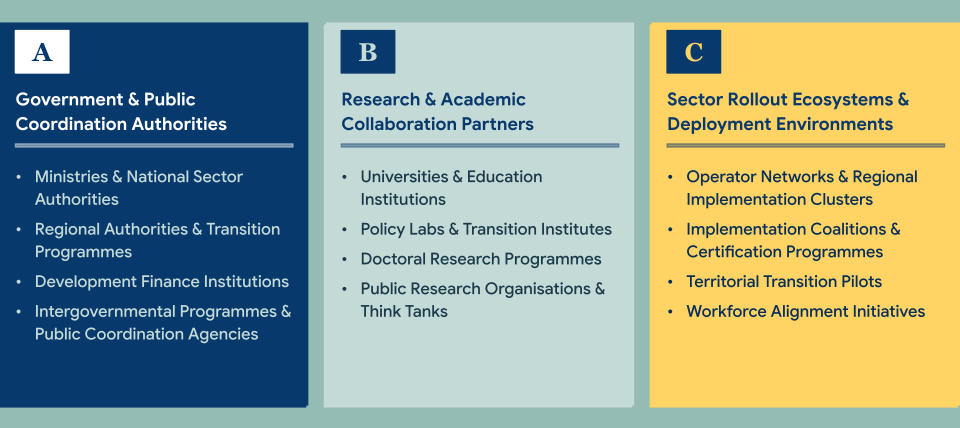
Engagement pathways may include:
→ Governments & Transition Authorities
Exploring coordination-layer architecture alignment between policy commitments and sector implementation environments
→ Sector Coordination Bodies & Supply-Chain Transition Initiatives
Structuring implementation continuity across distributed operator networks
→ Research & Implementation Architecture Partners
Collaborating on cross-sector sustainability implementation infrastructure development

Organisations working at system-level transition architecture may contact Yun Consultancy to explore collaboration pathways aligned with the SIIL coordination-layer framework
- SIIL-TSSF-SiApp -
Implementation Pathway Enquiry

Sustainability Implementation Infrastructure & Operational Systems
Independent research & implementation architecture supporting real-world sustainability deployment