
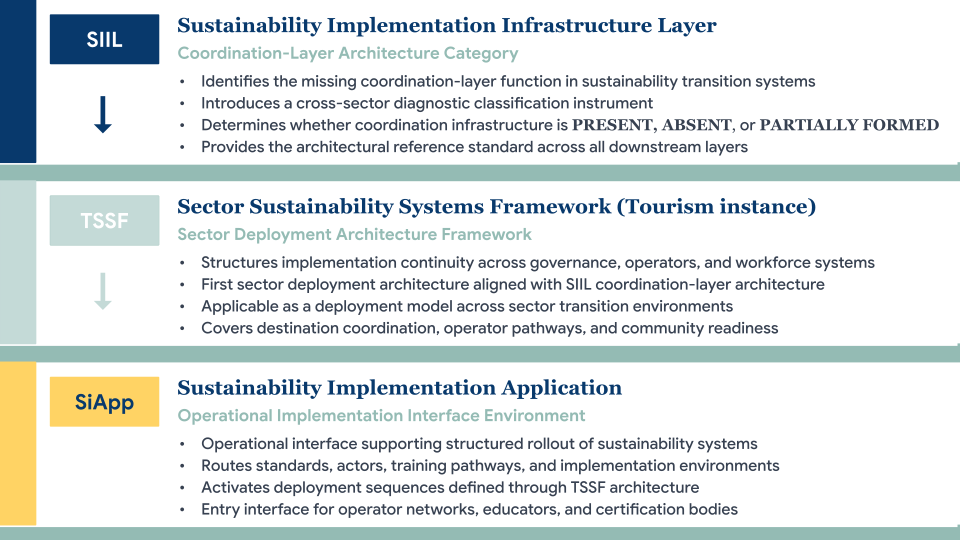
TSSF structures how sustainability strategies translate into coordinated system-level implementation across destinations, governments, operators, education systems, and communities. It provides the deployment architecture supporting system-level rollout rather than isolated project-based initiatives
The Tourism Sustainability Systems Framework (TSSF) represents a sector deployment architecture aligned with the Sustainability Implementation Infrastructure Layer (SIIL) coordination-layer architecture supporting cross-sector sustainability implementation environments
TSSF addresses this coordination-layer gap by structuring implementation continuity conditions across actors, governance layers, workforce preparation environments, and certification-linked deployment pathways.
This coordination-layer condition was identified through the Tourism Systems & Development research series architecture synthesis sequence (Papers #01–#07).
→ Access the research

TSSF supports:
- Institutional alignment
- Destination coordination
- Operator implementation pathways
- Workforce preparation alignment
- Community readiness integration
- Visitor communication alignment
Together, these coordination domains define the operational continuity conditions required for sustainability implementation to function across governance structures, workforce preparation systems, operator networks, and destination-scale rollout environments.

- System mapping
- Governance alignment analysis
- Coordination-layer gap identification
- Actor coordination structuring
- Deployment interface activation (SiApp)
- Monitoring and reporting alignment

SiApp functions as the operational implementation interface supporting structured rollout of sustainability systems defined through the TSSF deployment architecture and aligned with coordination-layer conditions identified within the Sustainability Implementation Infrastructure Layer (SIIL).

- Operator portfolio rollout
- Destination coordination design
- Workforce preparation alignment
- Impact finance alignment
- Territorial implementation planning
These entry pathways reflect different activation points within the same coordination-layer deployment architecture depending on institutional starting conditions and governance structure maturity levels.

- National tourism systems
- Regional destination authorities
- Tourism organisations
- Operator networks
- Education institutions
- Community transition programmes
- Certification bodies

Although developed within tourism systems, these implementation environments reflect coordination-layer deployment conditions observable across multiple sector transition ecosystems.
Although developed within tourism systems, these implementation environments reflect coordination-layer deployment conditions observable across multiple sector-transition ecosystems.
Subsequent transferability assessment confirmed observable structural alignment across additional sectors, including:
- Agriculture and food systems
- Energy transition
- Fashion and textiles
- Education systems
- Eco-certified product ecosystems

- SIIL-TSSF-SiApp -
Implementation Pathway Enquiry
Your personal data is processed in accordance with our Privacy Notice.

YUN CONSULTANCY
IMPLEMENTATION INTELLIGENCE INSTITUTE
Implementation Research, Infrastructure, Sustainability & Operational Systems
- About
- Team & Network
- Privacy Policy
- PROJECTS & FIELDWORKS:
- • Pilot Calls
- • Projects
- • Events
- • Contact
- Industry Insights
- Industry Articles
- IMPLEMENTATION INTELLIGENCE:
- • Research Programme
- • Foundational Concepts
- • Methodology
- SIIL:
- • SIIL Definition
- • SIIL Diagnostic